







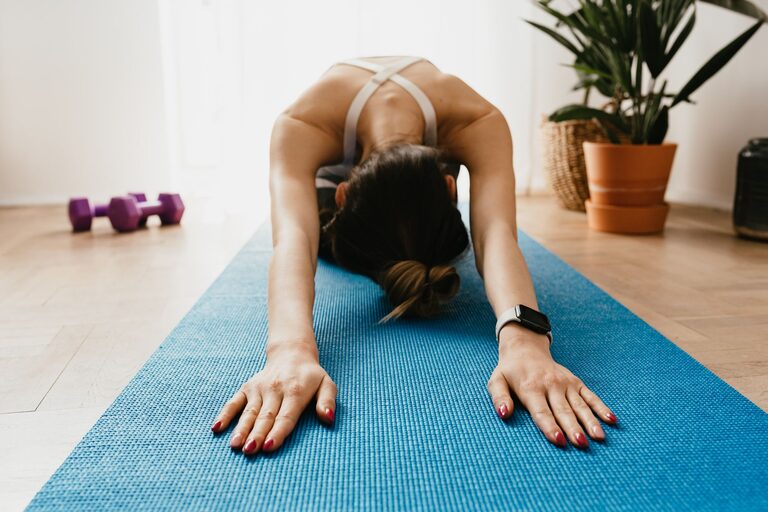
Stretching is a simple and effective way to improve your flexibility, increase blood flow, and reduce muscle tension. You don’t need a gym or special equipment to start stretching; in fact, your own home is the perfect place to make stretching a regular habit. This beginner’s guide will walk you through the basics of stretching at home, including benefits, tips, and easy exercises you can try today.
Why Stretching Matters
Stretching offers many benefits for both your body and mind, including:
– Improved flexibility: Increased flexibility helps with everyday movements and may reduce the risk of injuries.
– Better posture: Stretching tight muscles can improve your posture and reduce discomfort.
– Reduced muscle tension: Stretching helps relieve stiffness and soreness caused by sitting or standing for long periods.
– Enhanced circulation: Stretching promotes blood flow, which supports muscle health and recovery.
– Stress relief: Focusing on your breathing during stretches can help lower stress levels and calm your mind.
No matter your age or fitness level, incorporating stretching into your routine can enhance your overall well-being.
Getting Started: Stretching Tips for Beginners
Before jumping into stretches, keep these tips in mind for a safe and enjoyable experience:
– Warm up first: Stretching cold muscles can cause injury, so warm up with light activity like walking or marching in place for 5 minutes.
– Stretch both sides equally: Make sure to stretch both your left and right sides to maintain balance.
– Ease into each stretch: Move slowly and gently into each position—avoid bouncing or forcing a stretch.
– Hold steadily: Aim to hold each stretch for 15 to 30 seconds, breathing deeply and steadily.
– Listen to your body: Stretching should feel good, not painful. Stop if you feel sharp or intense discomfort.
– Stretch regularly: Aim to stretch at least 3 times per week to see improvement.
Basic Stretching Exercises You Can Do at Home
Here are some beginner-friendly stretches that target common areas of tightness. You don’t need any equipment—just a comfortable space where you can move freely.
1. Neck Stretch
Tension often builds in the neck, especially if you spend a lot of time at a desk.
– Sit or stand tall with your shoulders relaxed.
– Slowly tilt your head to the right, bringing your ear towards your shoulder.
– Hold for 20 seconds, then switch sides.
– To deepen the stretch, gently place your hand on the side of your head and apply light pressure.
2. Shoulder Rolls
This stretch helps release tightness in your shoulders and upper back.
– Stand or sit with your arms relaxed by your sides.
– Slowly roll your shoulders forward in a circular motion 10 times.
– Reverse the direction, rolling your shoulders backward 10 times.
3. Chest Opener
Opening your chest can counteract the effects of slouching.
– Stand with your feet hip-width apart.
– Clasp your hands behind your back and straighten your arms.
– Lift your chest while squeezing your shoulder blades together.
– Hold for 20-30 seconds, breathing deeply.
4. Seated Hamstring Stretch
Stretching your hamstrings is important for leg mobility and lower back health.
– Sit on the floor with one leg extended straight and the other bent so the sole of your foot touches your inner thigh.
– Reach towards the toes of your straight leg, keeping your back as straight as possible.
– Hold for 20-30 seconds, then switch legs.
5. Cat-Cow Stretch
This yoga-inspired stretch improves spine flexibility and gently massages the back.
– Start on your hands and knees in a tabletop position.
– Inhale as you arch your back, lifting your head and tailbone (Cow pose).
– Exhale as you round your spine, tucking your chin and pelvis (Cat pose).
– Repeat 5-10 times with steady breath.
6. Standing Quadriceps Stretch
Stretching your front thigh muscles helps with knee mobility.
– Stand near a wall or chair for balance.
– Bend one knee and bring your heel toward your buttocks.
– Hold your ankle with your hand and pull gently.
– Keep knees close together and chest lifted.
– Hold for 20-30 seconds, then switch legs.
Creating a Stretching Routine
To make stretching a consistent part of your day, try these steps:
– Choose a regular time: Many people prefer stretching in the morning to wake up or in the evening to relax.
– Set a timer: Even 10 minutes is beneficial.
– Focus on problem areas: Pay extra attention to parts of your body that feel tight or stiff.
– Combine with deep breathing: Breathing deeply during stretches enhances relaxation.
– Stay consistent: Stretch at least 3 times a week to maintain progress.
When to Be Careful
While stretching is generally safe, there are some situations when extra caution is needed:
– Avoid stretching injured or swollen areas without professional advice.
– If you have chronic conditions or severe pain, consult a healthcare provider before starting a new stretching program.
– Don’t overstretch or force your body into uncomfortable positions.
Final Thoughts
Stretching at home is an easy and effective way to improve your flexibility, reduce muscle tension, and boost your overall well-being. By starting with simple exercises and practicing regularly, you’ll notice positive changes in how your body feels and moves.
Remember to listen to your body, take your time, and most importantly, enjoy the process. Happy stretching!