







Reducing food waste at home is a simple step anyone can take to help the environment and save money. Every year, millions of tons of food end up in landfills, creating unnecessary waste and greenhouse gas emissions. The good news is that small changes in your daily habits can make a big difference. Here are practical ways to reduce food waste in your kitchen and home.
Why Reducing Food Waste Matters
Food waste not only wastes the food itself but also the resources used to grow, process, and transport it. This includes water, energy, and labor. By reducing food waste, you contribute to:
– Lower carbon emissions
– Conservation of water and land
– Financial savings on groceries
– Less clutter in your kitchen and trash
Plan Your Meals Before Shopping
One of the easiest ways to avoid buying more food than you need is to plan your meals ahead of time.
– Create a weekly meal plan: Write down what you’ll eat for breakfast, lunch, dinner, and snacks.
– Make a detailed grocery list: Only buy what’s on your list.
– Check your pantry and fridge first: Use up items you already have before purchasing more.
Meal planning helps prevent impulse buys and ensures food gets used instead of wasted.
Shop Smart and Buy Only What You Need
When grocery shopping, keep these tips in mind:
– Buy loose fruits and vegetables: This way, you can buy exactly the quantity you need.
– Avoid bulk purchases of perishable items: Unless you have a plan to use them quickly.
– Pay attention to expiration dates: Buy items with longer shelf lives if you won’t use them immediately.
Store Food Properly to Extend Freshness
Proper storage can greatly extend the life of your food and reduce spoilage.
– Keep fruits and vegetables in the right place: Some should be refrigerated; others stay fresh on the counter.
– Use airtight containers: Prevent moisture and air exposure.
– Label leftovers: Note the date so you know when to use them.
– Keep your fridge organized: Easy access helps you remember what you have.
Use Leftovers Creatively
Leftovers don’t have to be boring or forgotten. Transform them into new meals:
– Make soups, stews, or stir-fries: Add leftover vegetables or meats.
– Prepare sandwiches or wraps: Use cooked proteins and fresh veggies.
– Freeze portions: Leftovers can be frozen for later use.
Try to eat leftovers within 3-4 days to maintain safety and taste.
Understand Food Labels
Food date labels can be confusing and cause unnecessary waste.
– “Best before” date: Indicates quality, not safety. Food is often safe to eat after this date.
– “Use by” date: Follow this date strictly as it relates to safety.
– “Sell by” date: Designed for stores, not consumers.
Use your senses—look, smell, and taste—to decide if food is still good.
Compost Food Scraps
Not all food scraps have to go to the landfill.
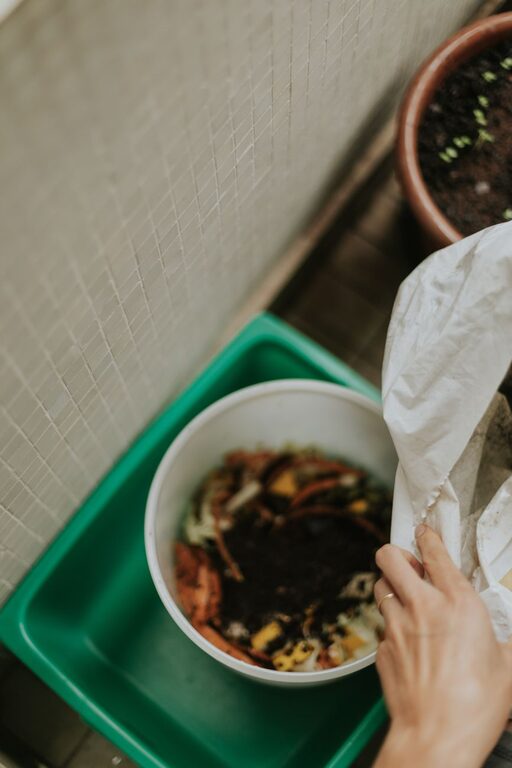
– Start a compost bin: Turn fruit and vegetable peels, coffee grounds, and eggshells into nutrient-rich soil.
– Use a kitchen compost container: Collect scraps easily while cooking.
– Avoid composting meat or dairy: These can attract pests.
Composting helps reduce methane emissions from landfills and supports your garden.
Freeze Extra Food
Freezing is a great way to preserve food that you won’t use right away.
– Freeze bread, fruits, vegetables, and meats: Properly wrap and label them.
– Freeze leftovers into meal-sized portions: Makes reheating convenient.
– Don’t freeze certain fresh produce: Some may lose texture (like lettuce), so check before freezing.
Practice Portion Control
Serving just the right amount of food helps avoid plate waste.
– Start with smaller portions: You can always go back for seconds if you’re still hungry.
– Encourage family members to take what they will eat: Avoid over-serving children or guests.
Donate Surplus Food
If you have edible food you won’t consume in time:
– Share with neighbors or friends: They might appreciate extra ingredients.
– Donate to food banks or shelters: Many organizations accept certain unopened or fresh foods.
Check local guidelines to ensure safety and compliance.
Educate Your Household
Good habits become easier when everyone in the home understands the importance of reducing food waste.
– Talk about goals: Share why saving food matters.
– Get everyone involved: Let children help with meal planning, cooking, and composting.
– Make it fun: Create challenges or rewards for waste reduction.
—
By incorporating these strategies, you can significantly reduce the amount of food wasted in your home. It takes just a modest effort to make a big positive impact on your wallet and the planet. Start small, be consistent, and enjoy the benefits of a smarter, greener kitchen.